

Selecting the Perfect Plants for Your Home
Introduction
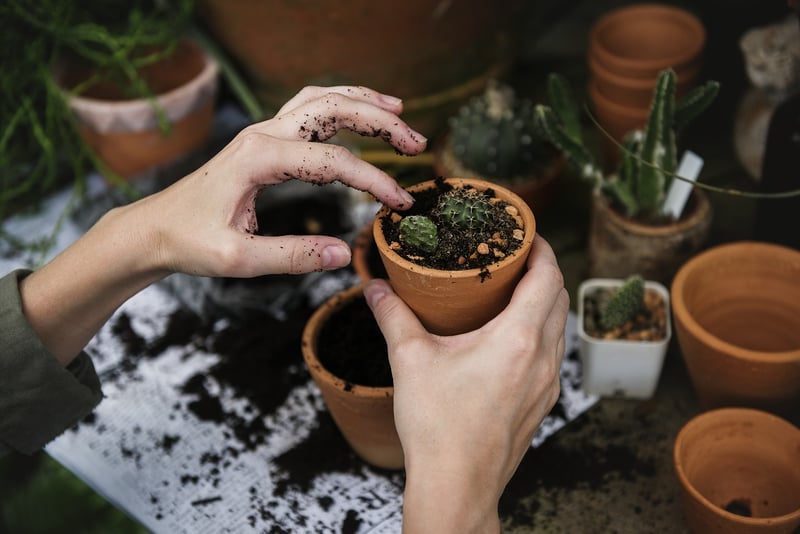
Choosing the right plants for your home can bring life and vibrancy to your living space. However, it's essential to consider various factors such as light conditions, space availability, and your commitment to care for them. Here are some tips to help you select the perfect plants for your indoor garden.
1. Light Conditions
Before buying plants, assess the lighting conditions in your home. Some plants thrive in bright, indirect light, while others can survive in low light environments. Consider placing light-loving plants near windows and shade-tolerant plants in darker corners.
2. Space Availability
Take into account the available space in your home when choosing plants. If you have limited space, opt for plants that can thrive in small pots or hanging planters. Vertical gardens are also a great way to maximize space.
3. Maintenance Level
Consider your commitment to plant care. Some plants require regular watering and pruning, while others are more low-maintenance. Choose plants that align with the time and effort you can dedicate to their care.
4. Plant Selection
When selecting plants, consider your aesthetic preferences and the overall style of your home. Whether you prefer lush green foliage, colorful blooms, or succulents, there is a wide variety of plants to choose from to suit your taste.
Watering Needs
1. Overwatering vs. Underwatering
Understanding the watering needs of your plants is crucial for their health. Overwatering can lead to root rot and other issues, while underwatering can cause wilting and stunted growth. Find the right balance by checking the soil moisture regularly.
2. Watering Techniques
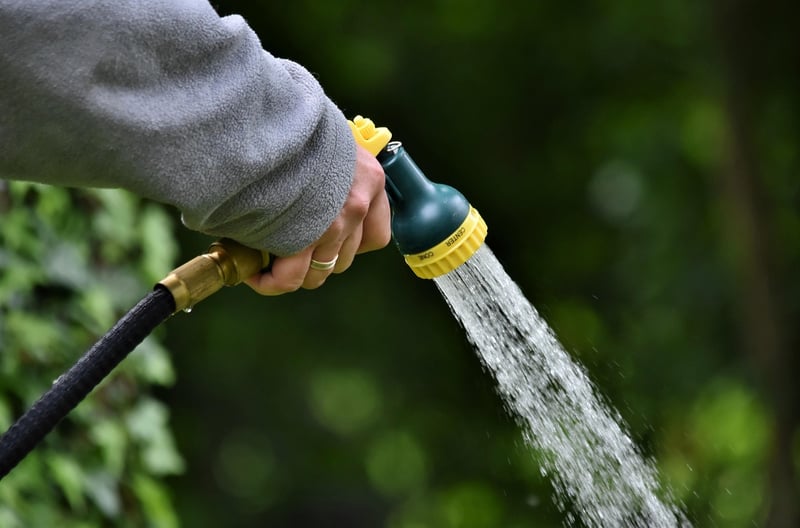
Water your plants thoroughly but allow excess water to drain out to prevent waterlogging. Different plants have varying watering requirements, so research the specific needs of each plant in your collection.
3. Water Quality
Use room temperature water to avoid shocking the plants. If possible, let the water sit for a day to allow chlorine to dissipate. Rainwater or filtered water can also be beneficial for sensitive plants.
4. Signs of Overwatering and Underwatering
Look out for signs such as yellowing leaves, mushy stems, or dry, crispy leaves, which can indicate watering issues. Adjust your watering schedule accordingly to ensure the well-being of your plants.
By considering these factors and understanding the watering needs of your plants, you can create a thriving indoor garden that enhances the beauty of your home.